A journal for storytelling, arguments, and discovery through tangential conversations.
Thursday, October 8, 2026
|
Yaniya Lee
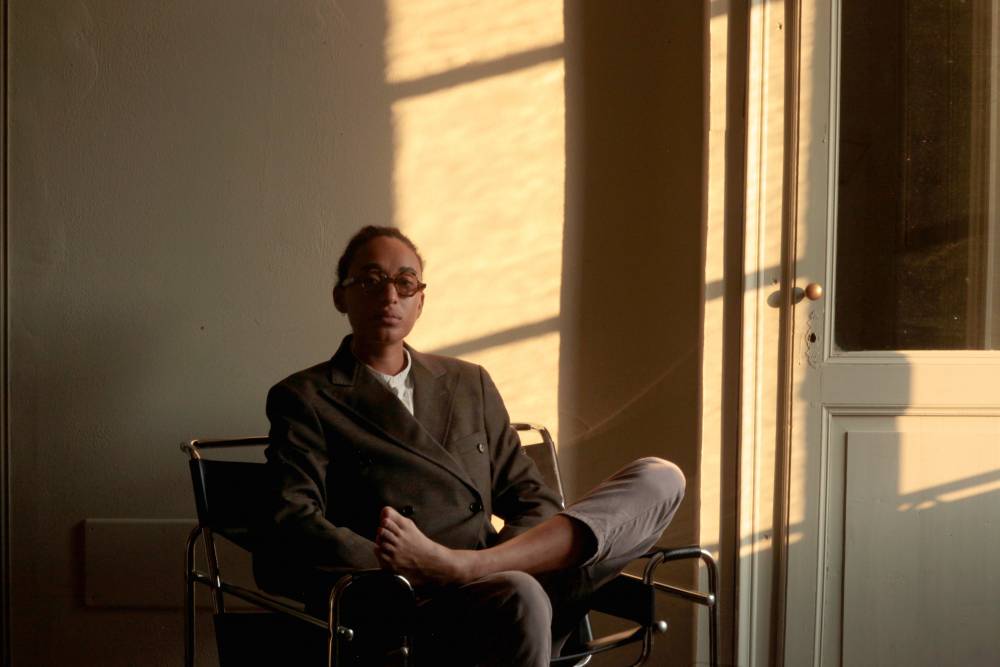
I have been following Imani Mason Jordan’s work for some time. Among other things they are a poet, a scholar, an artist, a curator, and an editor. A couple days before it opened last May, we walked through their curated exhibition “Nomenclature for the Time Being” at Raven Row, a non-profit contemporary art space in East London.
The show took its title from Dionne Brand's 2022 book-length poem Nomenclature for the Time Being and gathered the work of 13 Black artists across generations and cultures that enacted what Mason Jordan proposes as a "Black feminist materiality." The hero image they used was pulled from Brand's 1993 NFB documentary Long Time Comin'. It’s a screenshot of a scene shot during the construction of Camp Sis', a feminist alternative community in Ontario, Canada. “These are practices that do not try to represent the world so much as actively reconfigure the conditions under which it can be known, felt and inhabited,” Mason Jordan wrote in their curatorial essay.
Thursday, October 1, 2026
|
Filip Jakab
From my room in Zürich, the once-green and perfectly mowed lawn resembled a bleached carpet of parched ambers. It was mid-July and the air stank dry and heavy, like a sick blend of hay, dog piss and motionlessness.
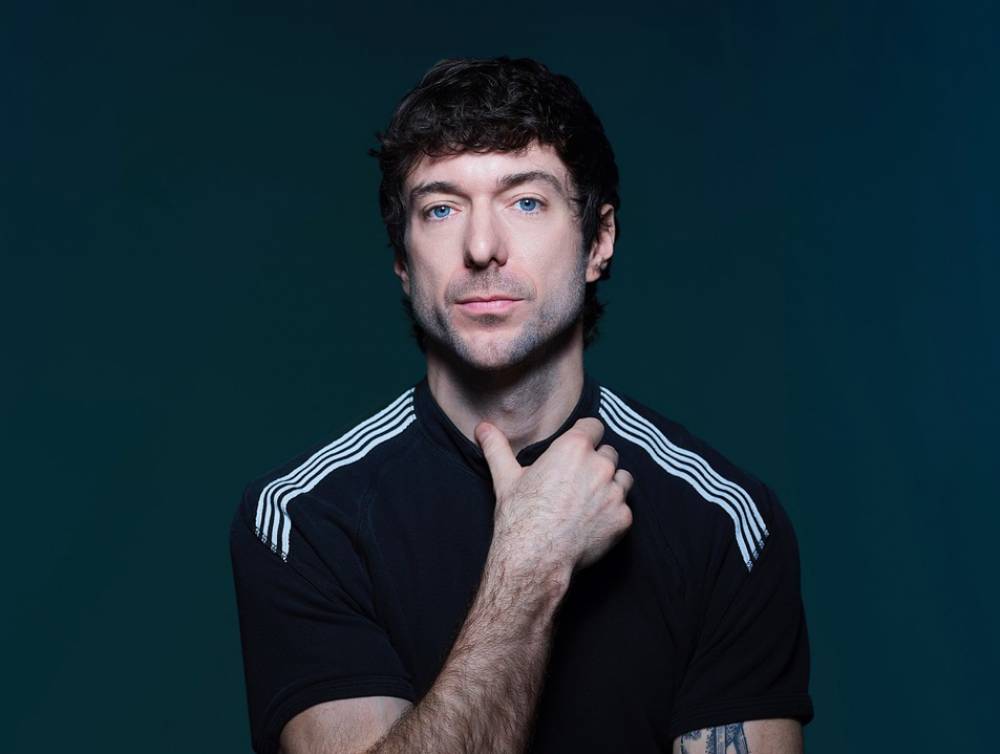
The summer’s heatwaves mirrored the opening of Jordan Tannahill’s third novel, The Living Realm (published by Farrar, Straus and Giroux). Almost every day, I wound up carrying Tannahill’s printed galleys to Männerbad Schanzengraben—a men’s-only swimming pool. The novel launches with the European droughts and the nameless, ageless narrator: an archeologist with a PhD fellowship in Berlin.
Escaping the heat dome, the narrator and his two close friends, Bridgit and Gabor, find a refuge at Teufelssee, the Devil’s lake. Fractured images of fauna and flora blend with peripheries of naked sunbathers and cruisers. Horny energy is omnipresent, yet the narrator’s cruise-verse is interrupted by a seemingly darker undercurrent. He encounters a “carbon copy” of his dead lover, Lukas. The thinning curtain between the dead and the living opens up with the cast of his former lovers appearing and disappearing.
Thursday, September 24, 2026
|
Jancie Creaney
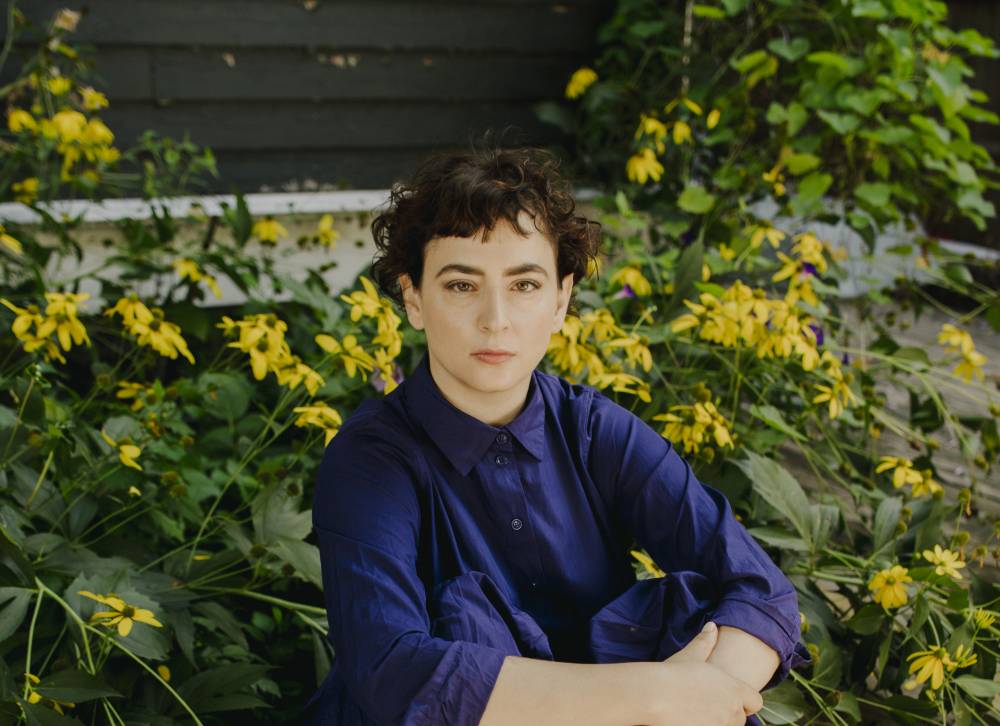
'Foam' is American writer Kate Zambreno’s latest novel, published by Semiotext(e) in September 2026. The book begins in a hospital room where an encounter with another postpartum mother gives way to the narrator’s reminiscence of two hired “mother's helpers,” both named Eva, before folding into a novella-within-the-novel about the artist Eva Hesse. Evas abound.
Like Zambreno’s recent novels Drifts and The Light Room, published by Riverhead in 2020 and 2023 respectively—and all their books, to an extent—Foam exposes its own construction. Each narrator expresses formal desires; in Drifts: “my fantasy of a memoir about nothing”; in The Light Room: “a notebook of seasons and exhaustions, a form I’ve termed ‘translucencies’”; in 'Foam': “a soft book, made out of ridiculous materials,” “an unfinished book.”
Tuesday, September 22, 2026
|
Abdellah Taïa
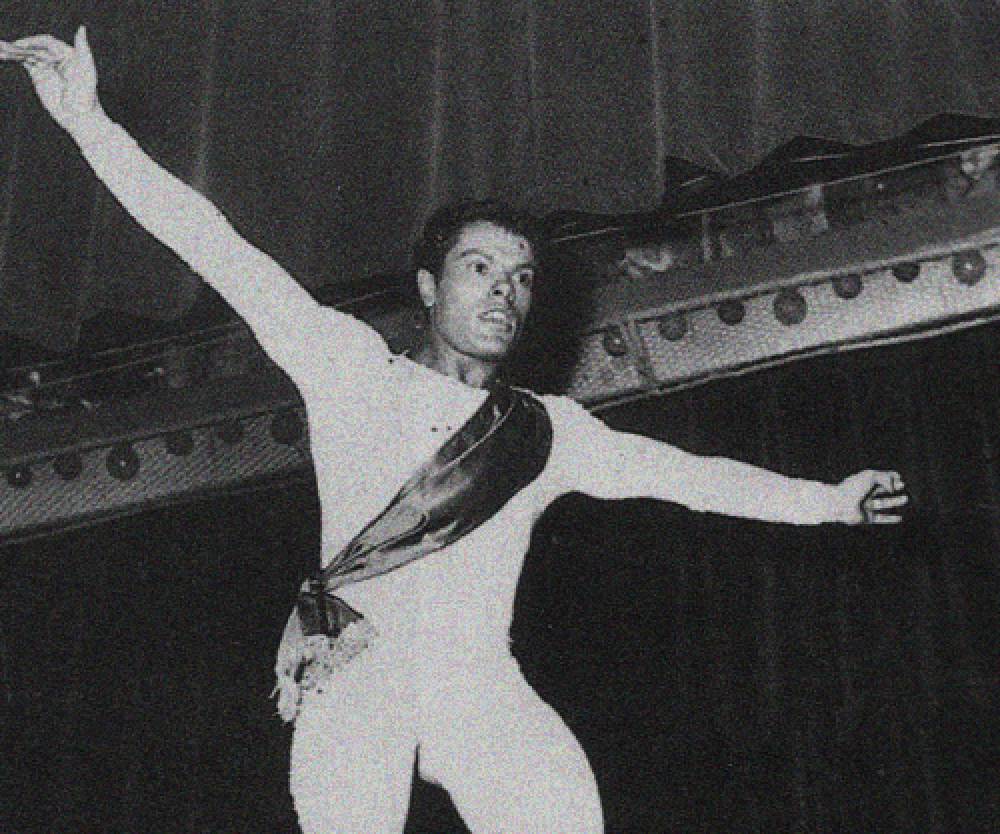
Who remembers you and who still cares for you, Abdallah? Who?
They forgot you. They buried you. They committed your suicide.
From the wire, you fell.
They are disappointed, you fell. They look away. Such cruelty. They move on. Will they return to you one day, all those who surround him, him the great genius, the small and highly impressive man, Jean Genet? Will they return one day? Will he return one day, the man who raised you so high, so high, up where he told you to fly? Perhaps yes, perhaps no.
In the small Parisian studio he rented for you, you are alone, so alone. He almost never comes anymore. You are abandoned, wounded, disabled, at the end of your rope, at the end, what will you do? Which of yesterday’s friends have called?
You do nothing. You lie there. You stare at the ceiling. You listen to the sounds of the building. You hope. He is on his way, Jean Genet. He will knock. Who’s there? Jean, is that you?
Friday, September 18, 2026
|
Narges Porsandekhial
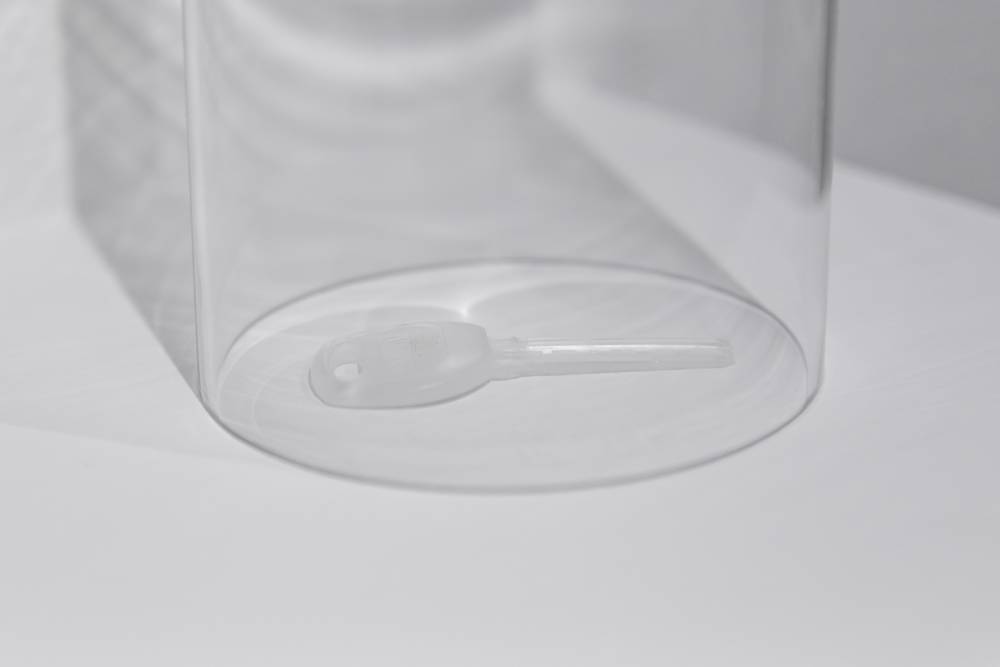
During February and March of 2026, two works were stolen from my exhibition in Saskatoon. I tried to retrace the thief's steps, imagining what compelled them to take these particular objects: journal pages I had kept since moving to Canada, and a resin replica of the key to my childhood home.
The theft made little sense.
The journals were written entirely in my mother tongue, Farsi. They possessed almost no monetary value, yet contained years of observations, griefs, anxieties, and ordinary routines. The key was fragile and entirely dysfunctional, carrying meaning almost exclusively for me. What door were they hoping to unlock?
Suddenly, a portion of my past lay beyond my reach. Years of memories disappeared; alongside a key I could no longer hold. The theft felt disproportionate to the objects themselves. I could not stop relating it to what was unfolding back home. It seemed as though everything and everyone were participating in the same process: the removal of traces.
Tuesday, September 15, 2026
|
Gabrielle Willms
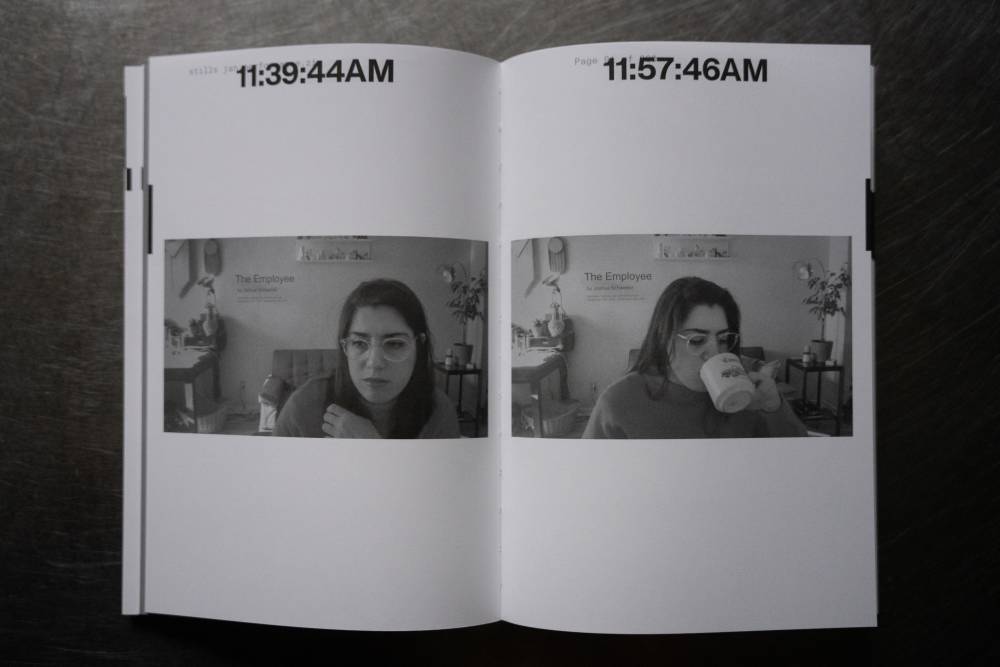
Near the beginning of The Employee, a wide-ranging text about labour and exploitation in Canadian art, Joshua Schwebel shares a line from the grant he wrote to fund the project’s eponymous artwork:
“My artwork will produce the infrastructure necessary to reinforce the currently inadequate infrastructure at the gallery, while the gallery produces the infrastructure necessary to understand my gesture as an artwork.”
It’s the kind of crisp but packed line that brings us to the edge of Schwebel’s restless mind and labyrinthine practice. The syntax may be clear, but the provocation is akin to an iceberg.
He’s referring here to a year-long (art)work in which he hired artist Camille-Zoé Valcourt-Synnott to perform in a double sense—as a grant writer and an artist carrying out a performance of cultural labour. Aimed at supplementing the precarious funding of London, Ontario-based Forest City Gallery, the piece simultaneously explored the constitutive lack of sufficient labour, fair compensation and resources endemic to artist-run culture. endemic to artist-run culture.
Tuesday, September 8, 2026
|
Selina Boan
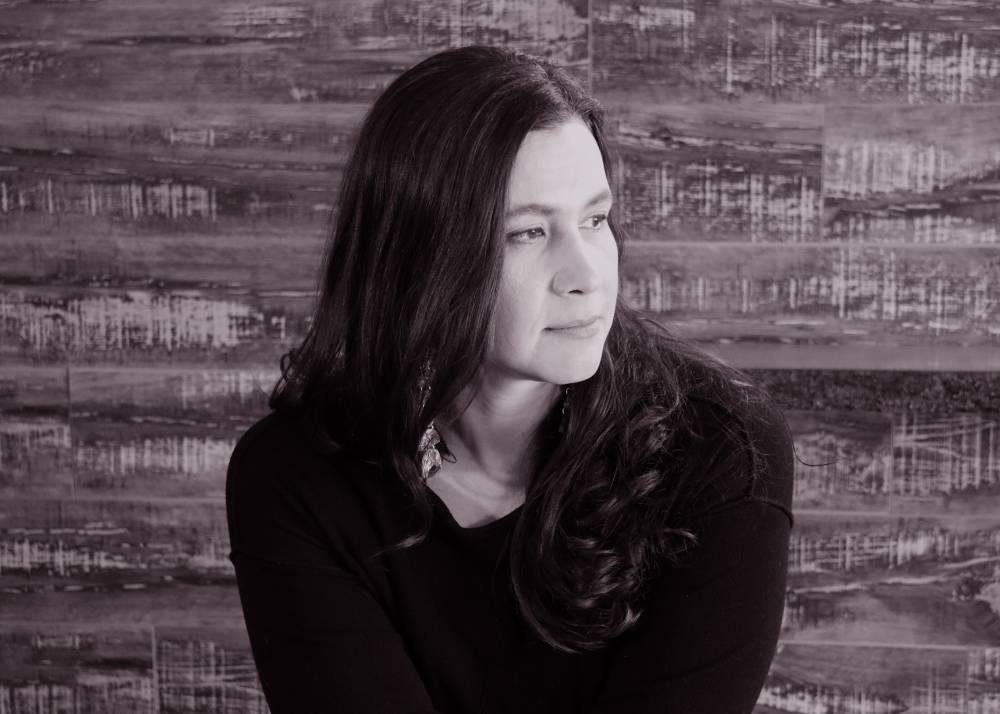
I first encountered the poetry of katherena vermette in 2012 when I was in my early twenties, hinging between different selves and trying to figure out where I belonged. I was immediately struck by the musicality, breath, and precision of her work. Her debut poetry collection, North End Love Songs (which went on to win the 2013 Governor General’s Literary Award for Poetry) felt like a permission I hadn’t known I’d needed: permission to write from the belly of my own experiences as a young white-nehiyaw woman, permission to play with the line in unexpected and surprising ways, permission to axis my life towards poetry itself.
katherena is a Michif (Red River Métis) writer from the heart of the Métis Nation, Treaty 1 territory, Winnipeg, whose books have been national best-sellers, received critical accolades and won multiple literary awards. Over the years, I have spent countless hours with her words, learning how to turn a line in a poem, how to craft voice in a story, how to honour who you are, and where you come from.
Thursday, September 3, 2026
|
Pooja Sen
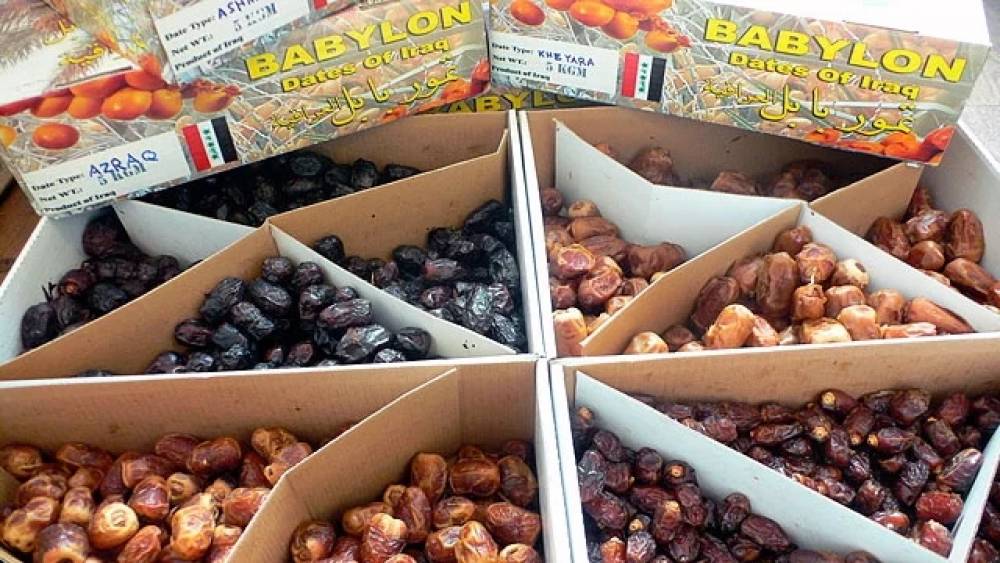
What does it mean for a fruit to travel under conditions of war, economic duress, and genocide? For the Iraqi-American artist Michael Rakowitz, a fruit that travels is a metaphor for exile. In 2006, Rakowitz imported dates from Iraq to the United States as a part of an artistic project called Return (2004-2006). And despite the name given to the artwork, return did not mean returning to Iraq. The dates’ journey to the United States was the one-way journey of a refugee. In this regard the dates stood in for both Rakowitz’s family as well as the millions who left the country during the U.S. occupation. Rakowitz’s family were Iraqi Jews who fled Baghdad in 1941, when Rashid Ali al-Gaylani came into power. An ally of the fascist governments in Germany and Italy, under al-Gaylani, a pogrom was instituted to target one of the oldest Jewish communities in West Asia.
Monday, August 24, 2026
|
Joyce Joumaa
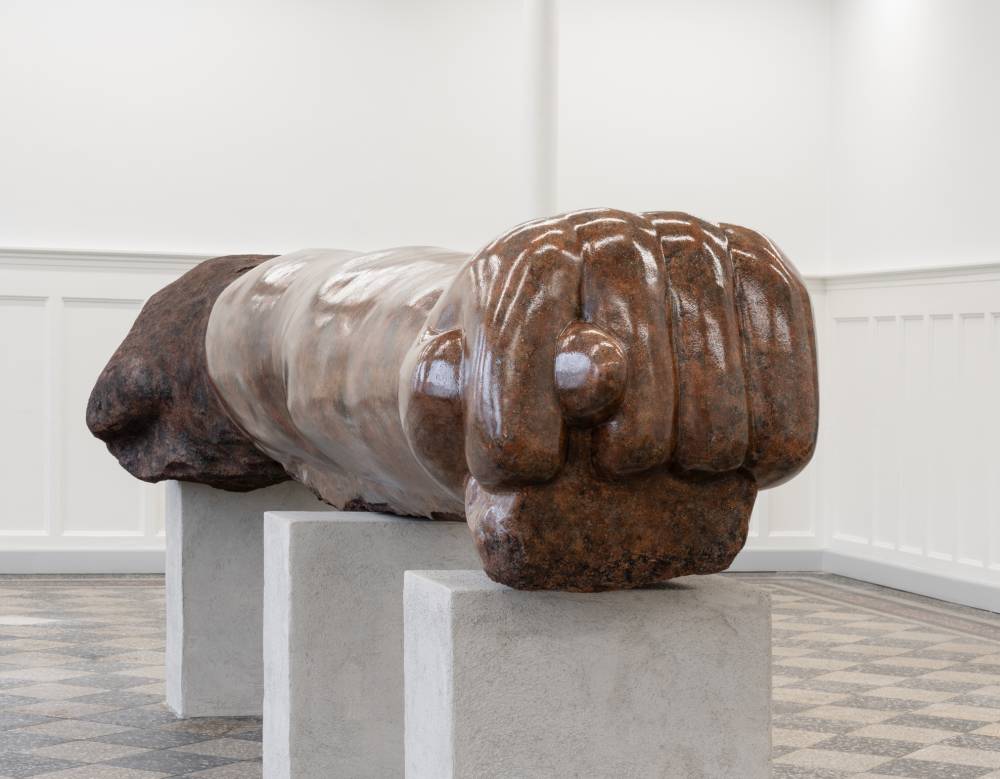
Ihsan Saad Ihsan Tahir is a Kurdish-Iraqi visual artist living and working in Denmark. His work grows out of displacement, inheritance, and the strange, almost choreographed logic of state paperwork, moving through sculpture as a way to think about the body—the place where official history and lived memory tug in opposite directions. His research often begins in museum holdings and in the language of archaeological reconstruction, then pushes back, prying open what colonial vitrines and administrative files have pressed into “artefacts.” Across an interdisciplinary body of work, he shows how citation, humor, and a well-timed gesture can reopen the question of who gets sovereignty over an image, and under what terms.
Friday, August 21, 2026
|
Aidan Chisholm
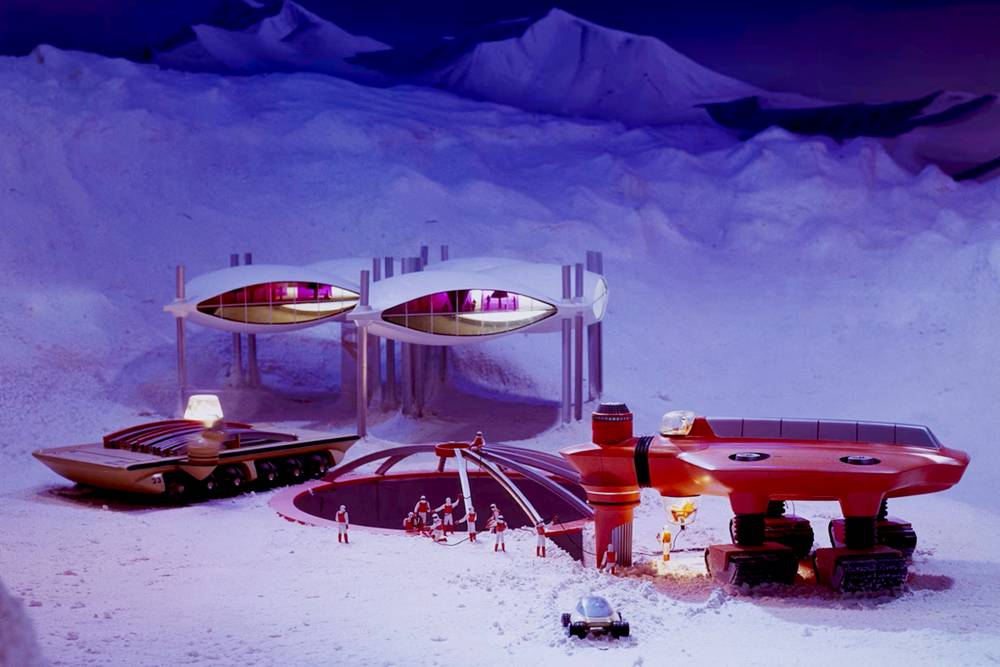
I don’t know if kids still make dioramas in primary school. And sure, dust tends to settle on the unchanging dioramas fixed behind glass at natural history museums. This physical format—the very appeal of which lies in its tangibility—might be presumed obsolete, outdone and eclipsed by ever-advancing digital software.
As the reigning figurehead of early photography, Louis Daugerre is less often remembered for his invention of the diorama. A decade before debuting his namesake photographic technique in 1837, the Parisian multihyphenate paired up with painter Charles Marie Bouton to develop the diorama: a lifesize optical-mechanical spectacle. An accomplished set designer, Daguerre leveraged his expertise in staging enclosed worlds toward this fundamentally theatrical format. With the prototype debuted in Paris in 1822, the inventors sought not simply to reproduce reality, but to engineer an immersive visual experience capable of sustaining illusion as a self-contained spectacle. This early model invited urban audiences into highly specialized cylindrical theaters, where transparent canvases were animated by elaborate lighting systems to simulate atmospheric shifts. This novelty demanded the accompanying linguistic invention of “diorama,” a term derived from Greek roots meaning “to see through.”
Wednesday, August 19, 2026
|
Emily Zuberec
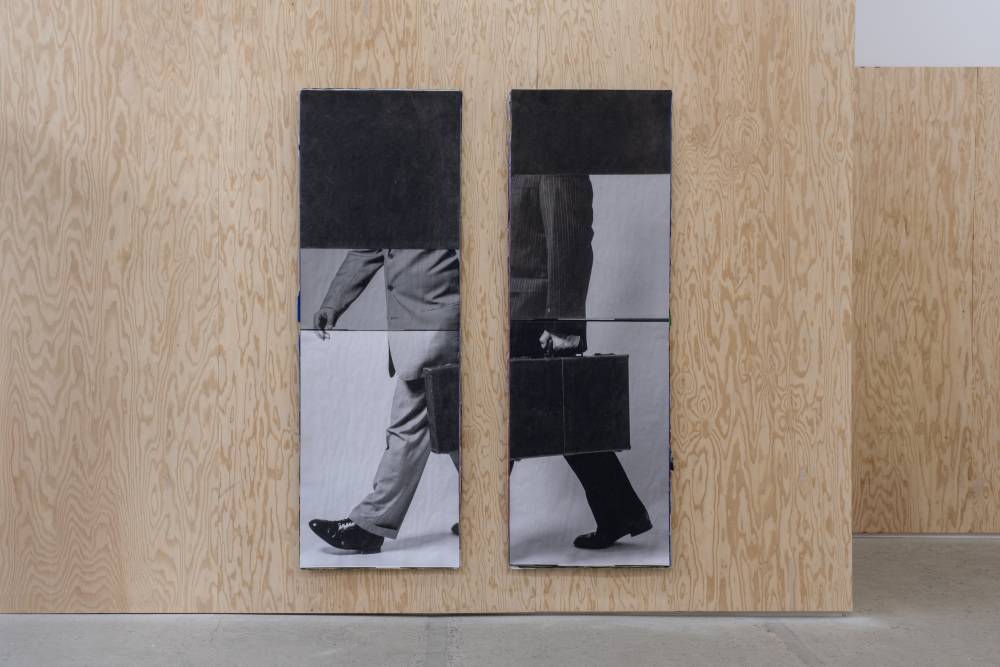
Part-way through my conversation with Simon S. Belleau, he picked up a tape-measure from the workbench in his Montréal studio to measure out 48-inches against a blank section of wall. This is the height at which his work Times—a definitive acrylic comma painted on a canvas the exact size of an A4 sheet of paper—must be hung for viewers to grasp the tacit pause in speech. Minutia is necessarily calculated, since it's not exclusively in macro-gestures that the preoccupations of Belleau's practice reside, but rather, the micro interactions and compact maneuvers. An inhale, the infinitesimal lull, before a new section of sentence begins. There's a pixelated logic at play: pixels, which could also be letters in the alphabet, fibres, dust, or any material deployed in composition, amass into a legible whole. However, deciphering the bigger picture of an image, exhibition, or narrative requires viewers to step back and lose track of the pixels. And so it goes, an interplay between foreground and background; the component parts and the final, circulated object. As a discursive armature, this purposeful simultaneity places Belleau's work in a climate that encourages looking.
Monday, August 17, 2026
|
Zoé Samudzi
In 2019, while working on my doctoral research about German colonialism, I spent a spring in Yerevan, Armenia. I wanted to learn more about the production of national memory in a country whose history narrativizes genocide survivorship. I also wanted to better understand the arc of German genocide from its inaugural annihilation in South West Africa (today’s Namibia), to its support for the Ottoman Turkish genocide during the First World War, to the Nazi Holocaust during the Second, to its embrace of Zionist expansionism by the Israeli state as its expressed Staatsräson—a longue durée of blood and soil brutalities occluded by an insistence on Holocaust exceptionalism.
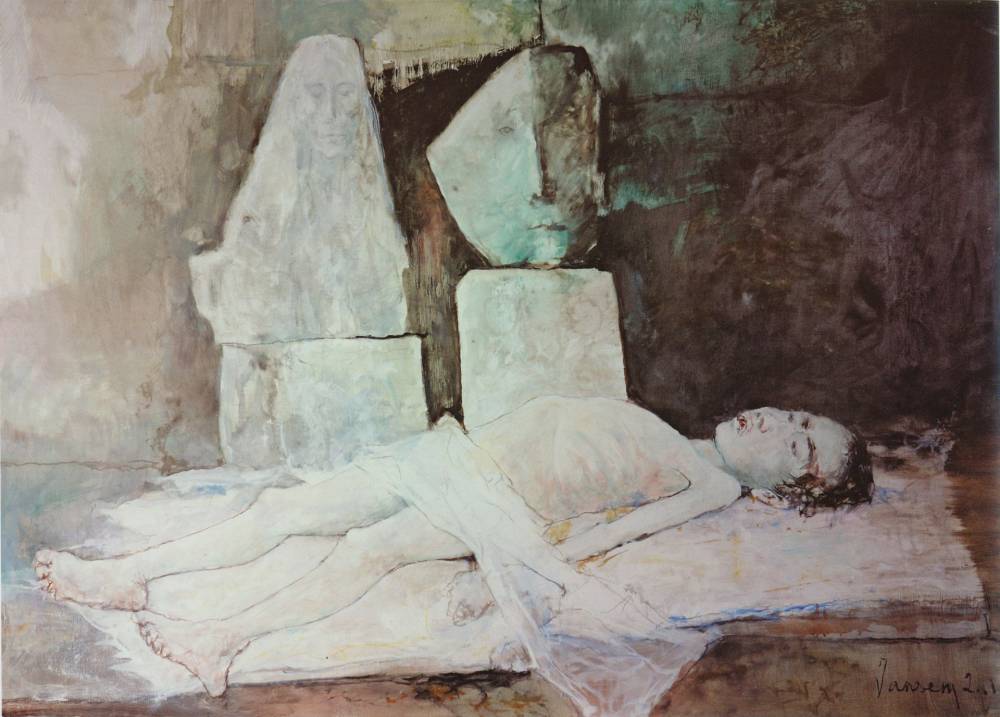
My experience in Armenia was particularly formative because it marked the first time I meaningfully engaged artistic work that might be described as “genocide art”: works produced in the midst, aftermath, or distanced recollection of genocide experience and/or intergenerational memory.
Thursday, August 13, 2026
|
Gladys Lou
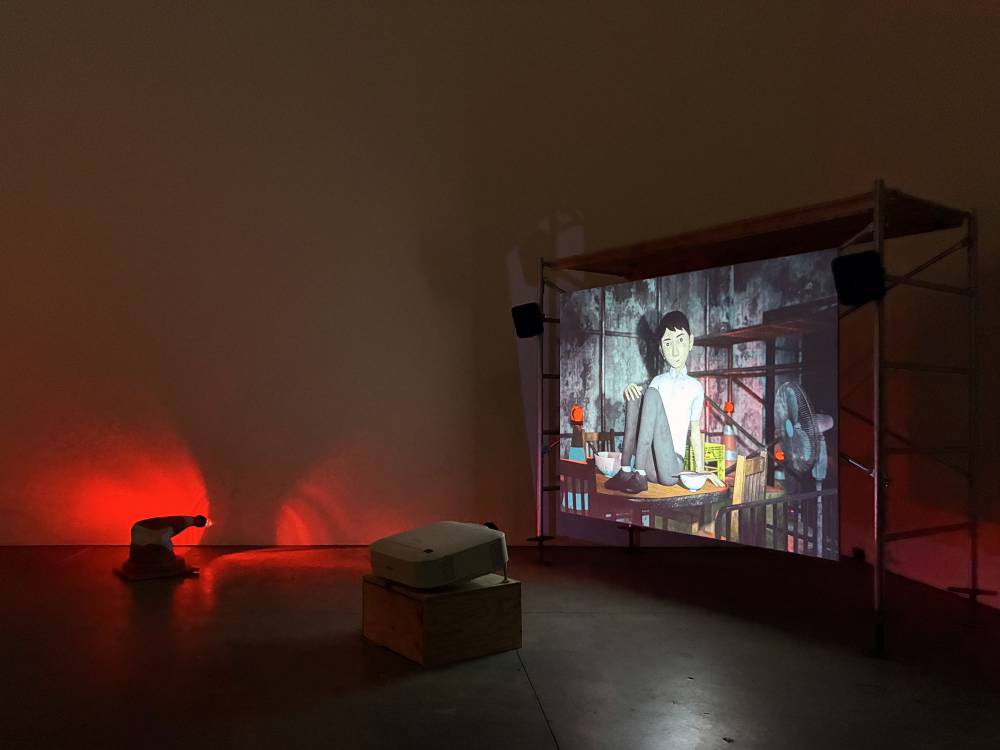
My first encounter with Poyen Wang's Night Stroll was in Greater New York 2026 at MoMA PS1, where I was instantly seduced and disturbed by its uncanny protagonist: an expressionless cartoon boy with bloodstains on his hands, lying upside down on a staircase with awkwardly twisted torso. This animated puppet looks directly into my eyes, flirting with and threatening me at the same time, reminding me of Kirsten Lepore's Hi Stranger that went viral on YouTube several years ago.
In Night Stroll, an anonymous adolescent with sealed lips, eerie gestures, and an ever-changing voice inhabits a dimly lit domestic environment inspired by Wang's memories of his childhood home in Taiwan and construction sites found across New York City.
Monday, August 10, 2026
|
Jasmine Weber
Best friends Tania and Margot do everything together: they binge Grey’s Anatomy on a loop, they host meatloaf dinners every week, they sleep in the same bed, they even share an OBGYN and a therapist. When Margot is quiet, Tania finds herself “missing the sound of her voice.” What do you do with all that love?
Their excruciating friendship is at the center of author Téa Mutonji’s debut novel, My Person, out on August 11. When we meet them, their relationship has reached its breaking point, as Tania decides to disrupt the cycles they’ve carried with them from adolescence as they near thirty. (My Person, somewhere between a friendship and a divorce novel, can also be understood as a quintessential Saturn return story.) “Things rust. They deteriorate. This theory could apply to relationships too,” Tania says. Their breakup unfolds over months, impacting every facet of their lives, as they break apart and come back together like magnets.
Friday, August 7, 2026
|
Abdellah Taïa
You’ll grow up and you’ll forget, they all said, all of them.
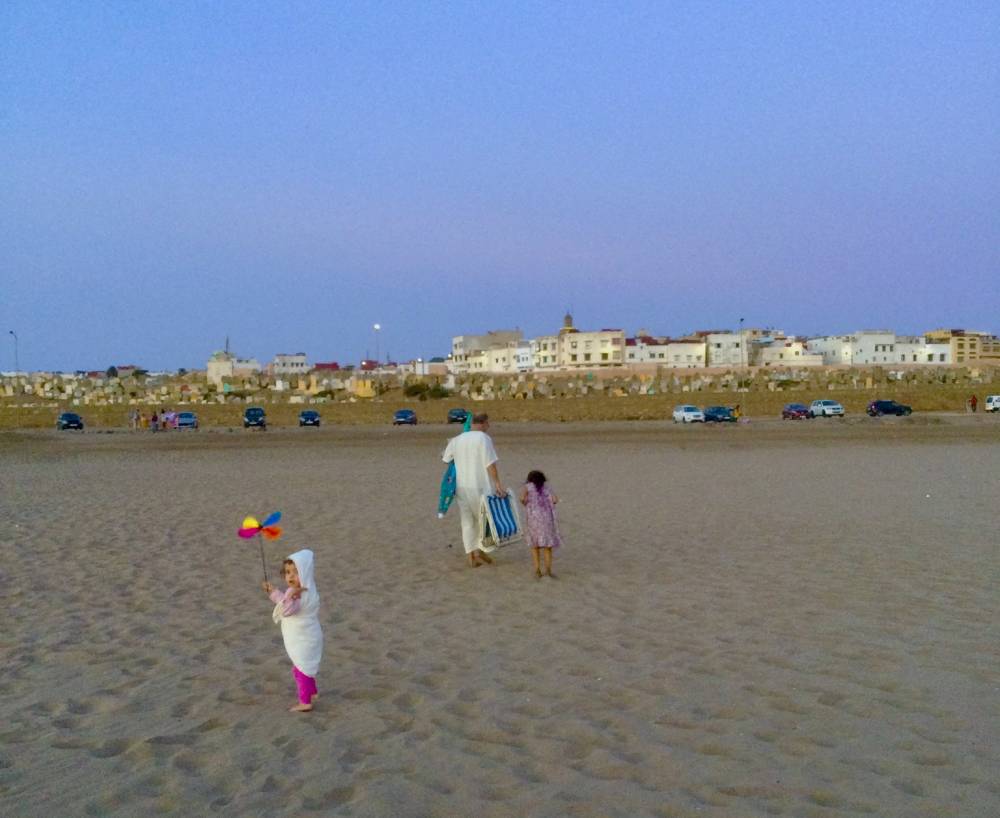
They were wrong, obviously. I know that now. I’m 50 years old. Forgetting doesn’t exist. Forgiveness doesn’t exist. And reconciling with the past seems to be the most difficult thing to do.
We stop running sometimes. We dare to look back. A bygone time still alive in us, in me, reveals itself. An old film starts to play again. Back then. Before. Life. Years. Losses. Regrets. Graves. Some flowers. Some bursts of laughter. And already the tears are falling. There’s nothing else to do. Let the dead images of childhood and adolescence return, resurge, relive. A resurrection. A miracle. Really?
I can’t resist.
Wednesday, August 5, 2026
|
Minh Nguyen
Last year, Ho Chi Minh City was recognized by UNESCO as a “city of film.” This might strike those who live here as puzzling—the city where the evening’s offerings are four domestic horror movies and The Devil Wears Prada 2? A more diverse cinema culture does exist—in art spaces, bars, unlisted venues, sometimes even the cineplex—but not with a mainstream presence such an honorific implies. But the recognition is not about the art form but, as the UNESCO representative put it at the ceremony, about “placing creativity at the center of sustainable development.” That is, a cultural industry measured by its numbers, such as the stated goal of 7 percent of the city’s GRDP by 2030. The same calculus prevails across the region—though for some of Vietnam’s neighbors, it’s not only a matter of priorities; there isn’t any money to begin with.
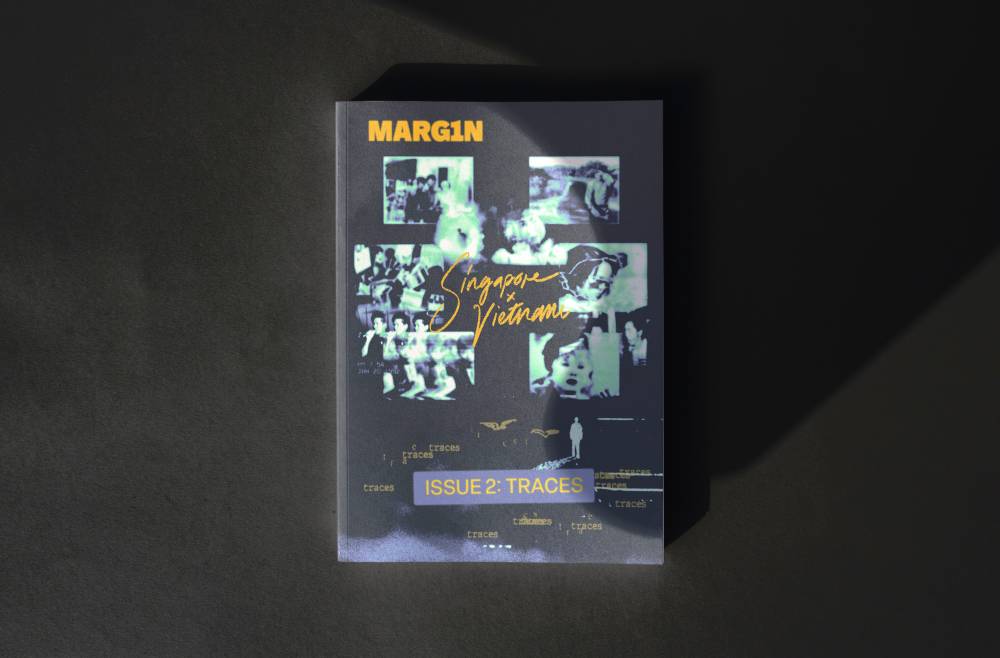
So I was surprised to come across MARG1N magazine at a pop-up bookshop—an intricately designed, print publication celebrating cinema, run out of Phnom Penh.
Monday, August 3, 2026
|
Lodoe Laura
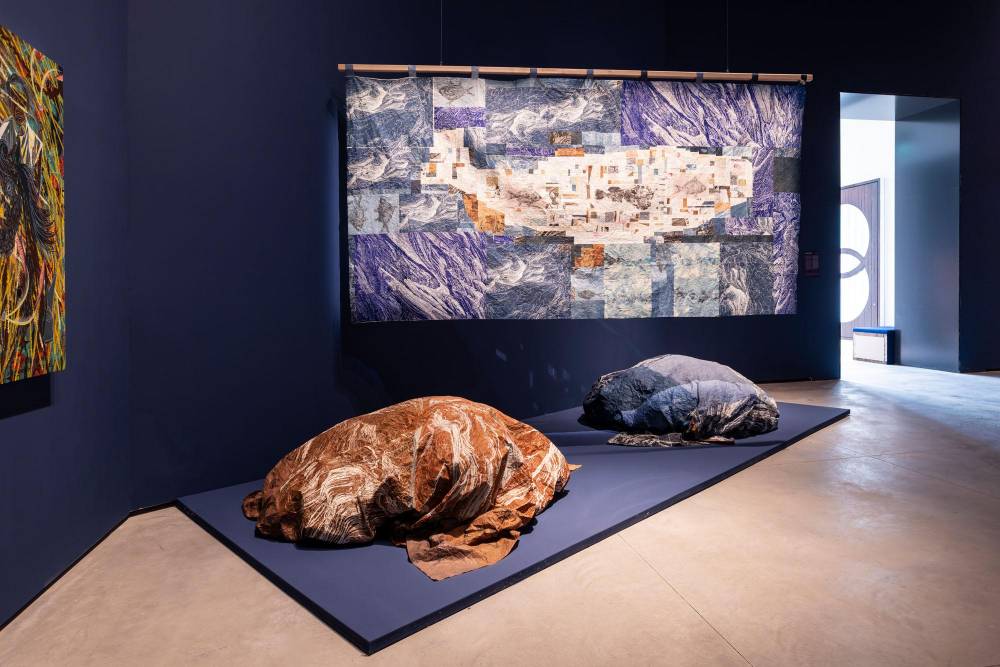
It’s early May and I’m on a small ferry to the 61st Venice Biennale to see the work of Alexa Kumiko Hatanaka. The cabin of the boat sits low in the water, and I’m seated in the aisle, next to a man by the window who is nodding off. I frequently peer over his drooped head to try to get a good look at the glassy greenish-blue water outside. Ever since I met Hatanaka, I’ve been looking for fish.
I first met Hatanaka a month earlier, back in Toronto. After weeks of emailing back and forth trying to find a time when we would both be in the city, we eventually settled on a date in early April. Her west-end studio ended up being on the same block as my apartment, and I dropped in with fruit, and coffee and croissants from the coffee roaster and bakery nearby. Hatanaka meets me at the door, dressed in sneakers, patterned pants and an oversized t-shirt, her brown hair pulled under a kelly green cap that reads “Parkdale Yacht Club.” We walk up a few flights of stairs to her bright west-facing studio. She crouches over to shuffle away large sheets of washi paper that are sprawled over the hardwood, stacking them into a loose pile on the ground under a window.
Tuesday, July 21, 2026
|
Leo Cocar
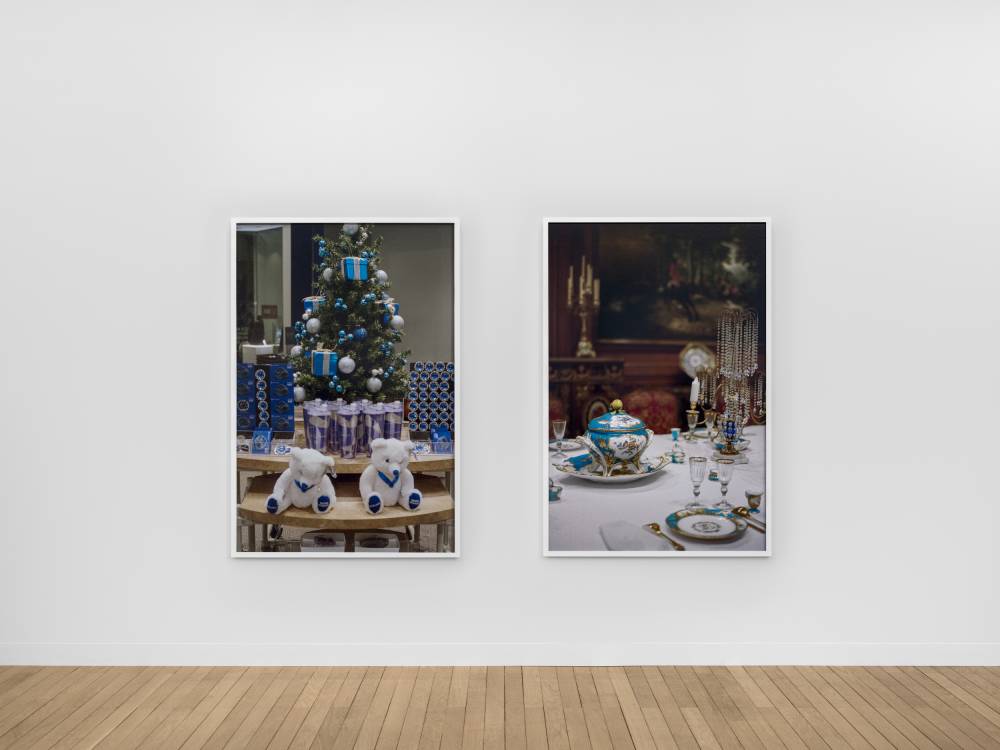
Sophie Kovel’s work is marked by a subtle, latent sense of oscillation — a constant shifting between the particular and the general, the longue durée and the event, and the instantaneous moment held within structures. It is through these tensions that Kovel’s forensic tendency takes place, mobilizing the art object as a means to make intelligible larger power structures which would normally resist imaging: the irony being here that oftentimes, the histories, architectures, and dynamics Kovel plumbs are frequently ones embedded in a regime of visuality, a regime of the image.
In some instances, her work engages the public and the monumental as the arena in which this regime is articulated.
Thursday, July 16, 2026
|
Lindsay Inglis
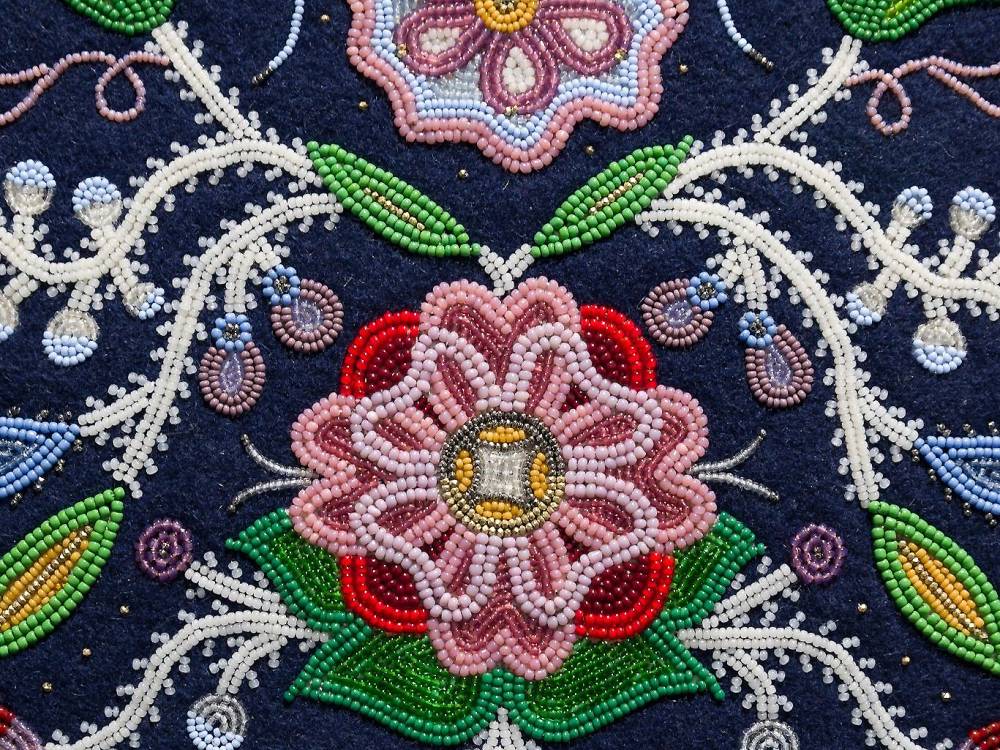
Claire Johnston is a beadwork artist based in Winnipeg, Treaty 1 Territory, who began her practice as a way to connect with her Métis heritage. She’s fascinated by the history and materials of beadwork. Last year, she went to Venice as part of Canada’s entry to the 2025 Biennale and researched the connection between Métis beadworkers and Venetian seed beads.
Along with traditional seed beads, Johnston has also experimented with the use of various non-traditional materials, and is currently working with the St. James Civic Center for a large-scale installation that she described as an interpretation of beadwork in wood.
Monday, July 6, 2026
|
Adrianna Michell
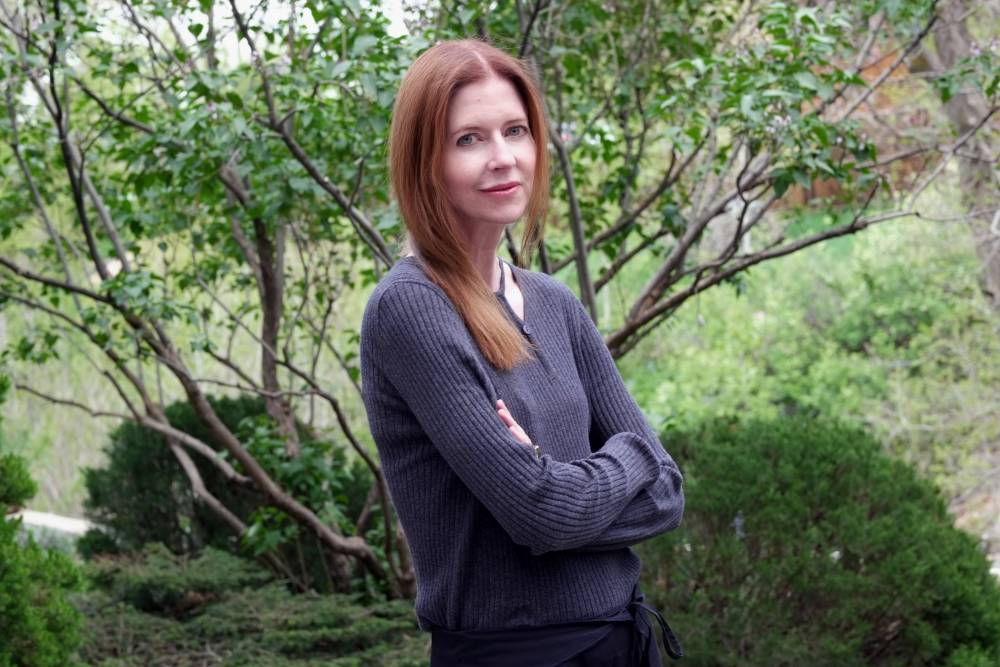
To be a critic is to question. That is, a critic asks: Under what conditions was this object made? How does the experience I’m having as a viewer relate to the work of its creation? How does this artwork make me feel? And then there is also the critic’s posture: hunched over their work, their back forms that inquisitive arch, punctuating an aesthetic experience by pondering what has this meant to me?
Critic and essayist Megan O’Grady has long inhabited this critical bent. A frequent contributor to the New York Times, she has asked questions such as: Why Are There So Few Monuments That Successfully Depict Women? How Can I Hold On To Hope and Humor While Witnessing So Much Suffering? How Do I Find Meaning and Beauty in My Life? And, introducing a review of Yiyun Li’s The Book of Goose, that pesky question: Why Write?
Monday, June 29, 2026
|
Gabrielle Willms
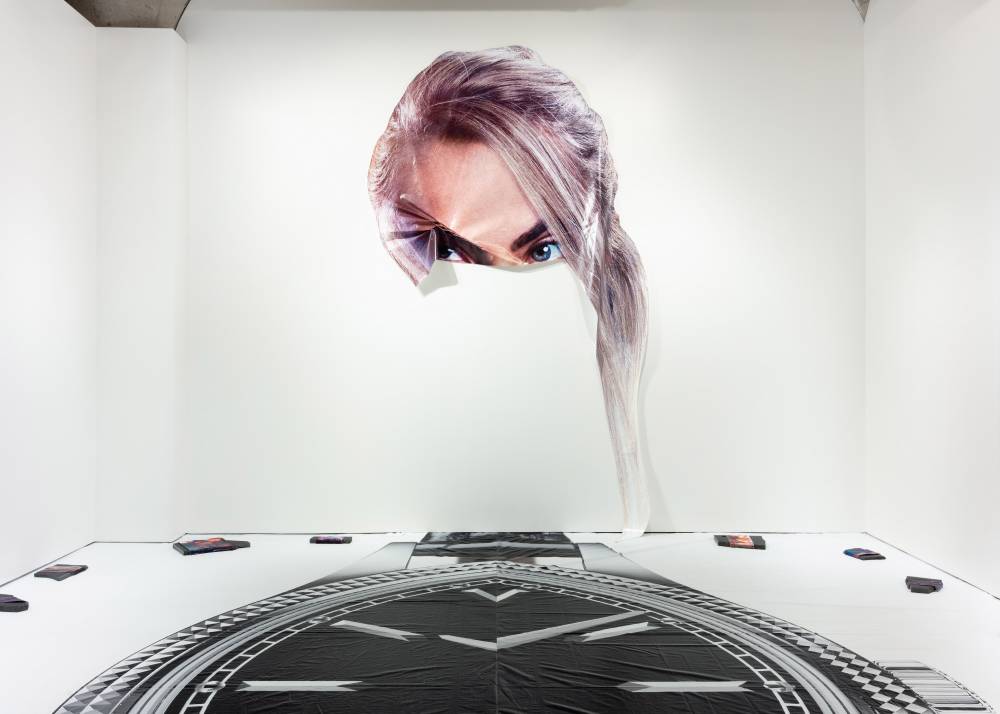
When Kelly Jazvac started working on Upgrade in 2007, she wasn’t new to making savvy sculptures about consumerism. But this piece, commissioned by the Toronto Sculpture Garden, marked the start of a new phase of her burgeoning career. Using adhesive vinyl stickers, Jazvac covered a 1998 Pontiac Sunfire inside and out to disguise it as a 2007 Porsche 911. Critics loved the work’s mischievous simplicity. It was an ArtForum critic’s pick. In the exhibition essay, cultural critic Jeanne Randolph described the viewer’s (and her own) “paradoxical delight” at discovering this “object of consumer lust” to be “Cinderella at midnight.” The sleight of hand was surprisingly effective, a harbinger of Jazvac’s consistent ability to gently pull the rug out from underneath us and leave us wobbling in the morass between desire and reality. Apparently, the piece even got a few parking tickets.
This was also the moment that sparked Jazvac’s fascination with plastic as a material, an evolving exploration that underpins her practice to this day.
Thursday, June 25, 2026
|
Ada Kalu
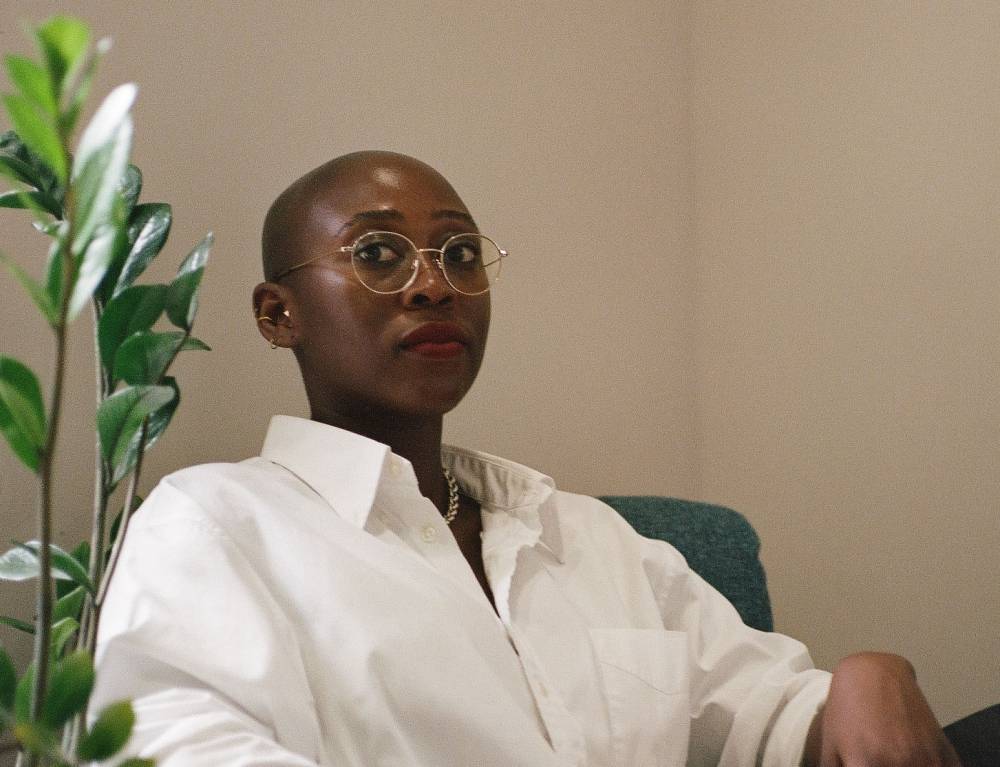
’Pemi Aguda does not have all the answers, but she wants to figure it out. The purpose of writing or ‘any kind of creative art is to imagine futures together,’ she says, a sentiment that aligns with Umnia El-Neil’s essay, It's the end of the world, why bother?. In this, El-Neil writes that ‘storytelling can change the world’ and calls it a civic responsibility. In her rallying call, she describes the oft touted disregard for the Arts and Humanities as ‘bordering on suicidal in its lack of care.’ El-Neil does not offer an argument but a statement—art is not a frivolous but rather an ethical and social responsibility.
Aguda’s work operates from this same premise. In our conversation about her latest novel, One Leg on Earth, she returns to this same idea. ‘If we think of art as real, then the consequences of our art should also be considered real.’ Our discussion reveals the power of words to change perspectives.
Wednesday, June 24, 2026
|
Lee Suksi
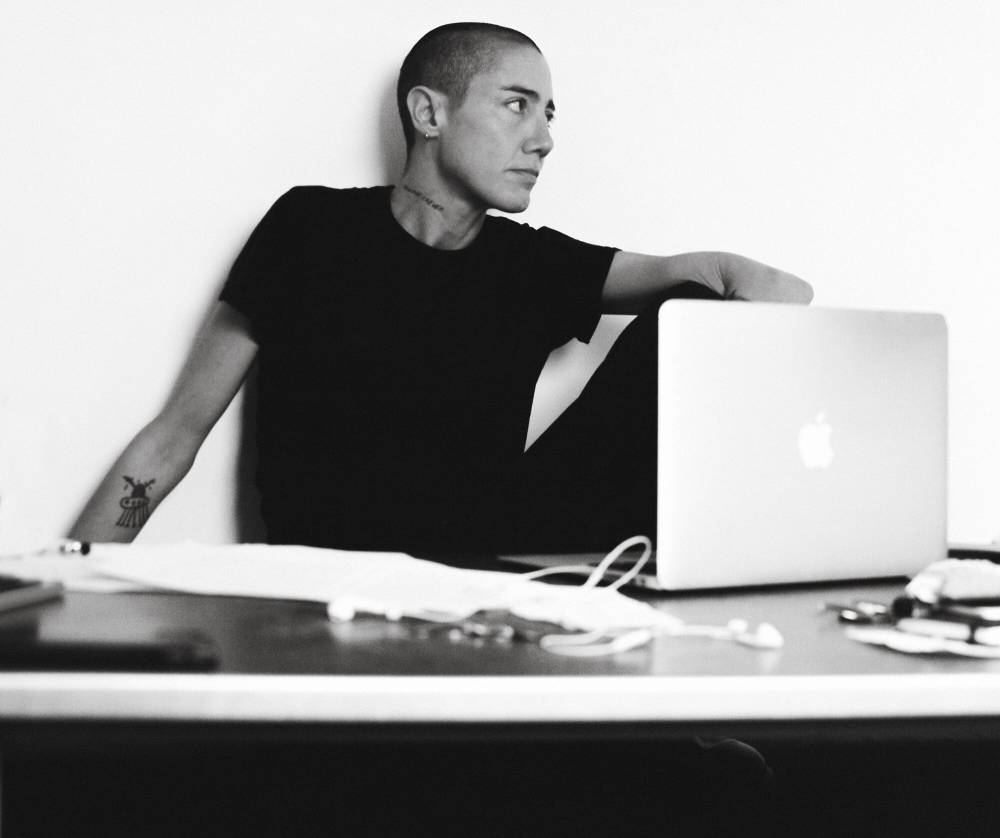
The French writer Constance Debré has been known to readers for her crisp, devastating accounts of sexual awakening in Playboy (2018), family dissolution in Love Me Tender (2020) and social critique in Name (2022). The narrator of that trilogy of novels shares autobiographical facts with Debré: a former criminal lawyer who has moved away from her profession, from heterosexual, bourgeois family life, and a prominent aristocratic lineage for a life of writing (and swimming). Autofiction always prompts intrigue, particularly as it probes what is usually kept quiet.
However, as Debré asserts in our conversation below, the character was not an examination of self or circumstances but a “dirty tool” to investigate what is, for her, more significant than self: the violence underlying social trappings, and whether it’s possible to escape them altogether. Surprise—it isn’t.
Monday, June 22, 2026
|
Hannah Bullock
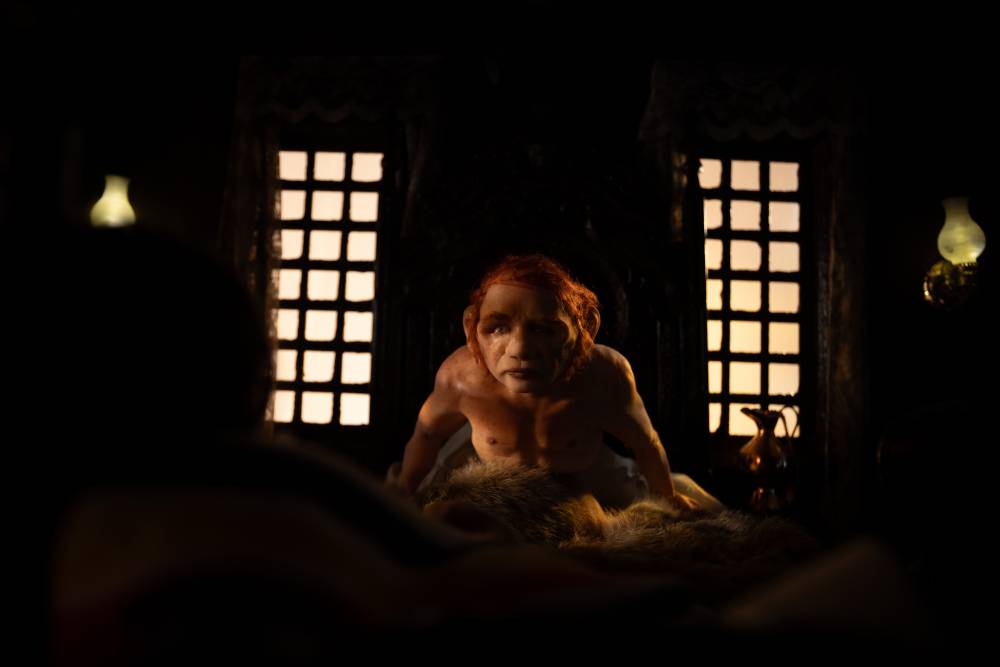
Métis artist and filmmaker Terril Calder takes an unconventional approach to animation, informed by her multidisciplinary background in performance art, sculpture, and drawing. Often working on her own, she assumes the role of writer, builder, director, producer, and animator. The result of her process is a body of work that interrogates the authority of settler-colonial histories, asking what counts as truth. Her stop-motion films build immersive worlds that call upon these histories and read them against the grain—ultimately exposing the constructed nature of, and biases embedded within, colonial institutions and systems of power.
I’ve gotten to know Calder over the past few years, and have come to deeply appreciate her ability to laugh, or make a joke, in the face of an objectively shitty situation. This, I think, is also evident in her work, where she always approaches her subject matter with levity.
Thursday, June 18, 2026
|
Josh Milton-Bell
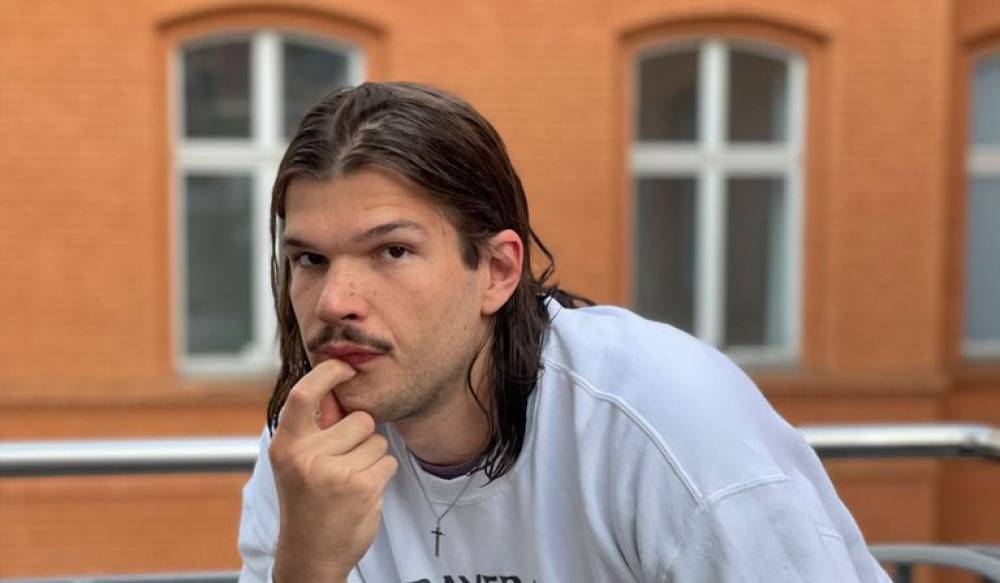
Thomas Mann’s distinguished translator-in-chief, John E Woods, once lamented that “Translation is an impossibility. Every language is unique to itself. So a translator tackles that impossibility anew with every author, with every sentence for that matter.” Countless other translations open with quasi-apologies like this, thinly-veiled confessions that in translation, one can only ever strive for the least worst rendering. These appeals are all too understandable. The translator’s unenviable role is to transfigure a text from one form into another—retaining some intangible essence—all the while remaining invisible. All the same, it is hard to imagine this sort of appeal from Max Lawton.
Lawton is anything but invisible, having amassed an impressive literary profile in his short career.
Monday, June 15, 2026
|
Emerson Goo
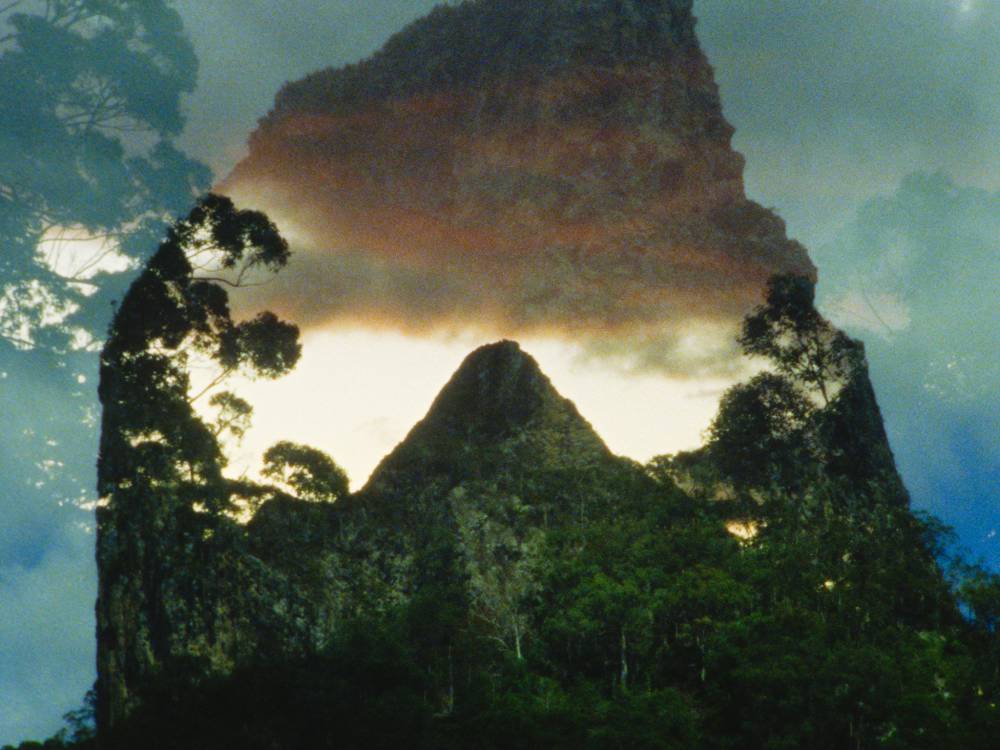
While I saw many remarkable titles in competition at this year’s Taiwan International Documentary Festival (TIDF)—one of Asia’s premier documentary festivals, occurring every other year in Taipei—I feel compelled to discuss two non-competition programs: Encounters: The Living Landscape of Contemporary Canadian Documentaries and Taiwan Spectrum: War Memories, Shifting Identities. Together, they reveal something I find admirable about TIDF: its ability to connect people and places in ways that challenge stable notions of identity and community.
The Encounters program introduced audiences in Taiwan to ten recent films by Canadian filmmakers centered around relationships to land. It was guest-curated by Marlene Edoyan and Hubert Sabino-Brunette, artistic co-directors at Rencontres Internationales du Documentaire de Montréal (RIDM). RIDM had previously invited a program of Taiwanese documentaries to their 2025 festival, and in the manner of an exchange program, TIDF returned the gesture. At TIDF, I chatted with Edoyan and filmmaker Pablo Álvarez Mesa, whose film The Soldier’s Lagoon (2024) played in the Encounters program, about our impressions of the festival.
Wednesday, June 10, 2026
|
Tyler Matheson
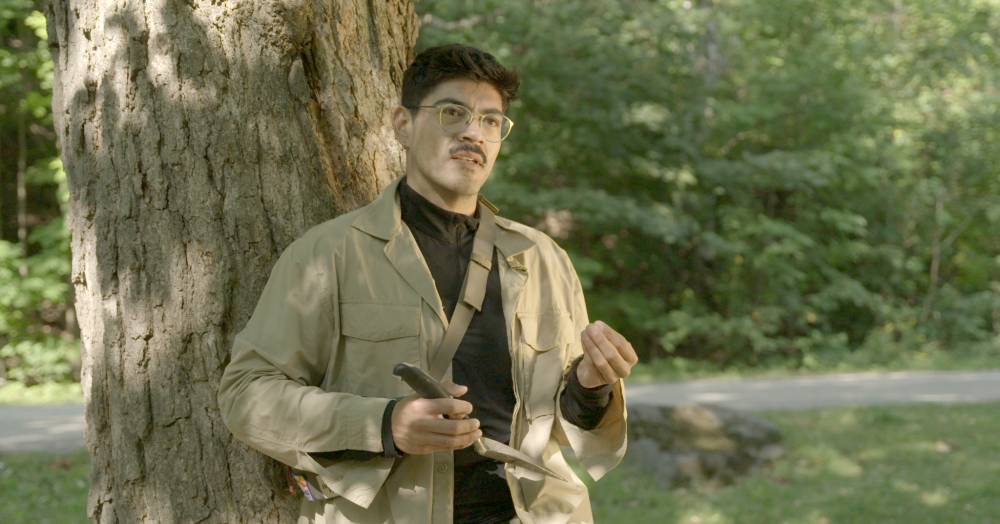
Jamie Ross is a Montreal‑based visual artist and filmmaker who currently splits their time between Los Angeles and Montreal—two cities that inform his practice. A practice rooted in community, ritual, and the recovery of unspoken histories, their work traverses gallery installations, photography, video art, and documentary film—foregrounding queer intergenerational connections and the manifestations of secrecy. In Ross’s research-based practice, they explore personal and public repositories, official archives, libraries, museum collections, and oral histories to excavate stories that official narratives have flattened or buried over time. Their interdisciplinary oeuvre offers a model for how historical recovery, queer praxis, and ritual can produce new possibilities for identity, healing, and collective memory.
Thursday, June 4, 2026
|
Katia Lo Innes
The highway is a rorschach test. Look at it, and what do you see?
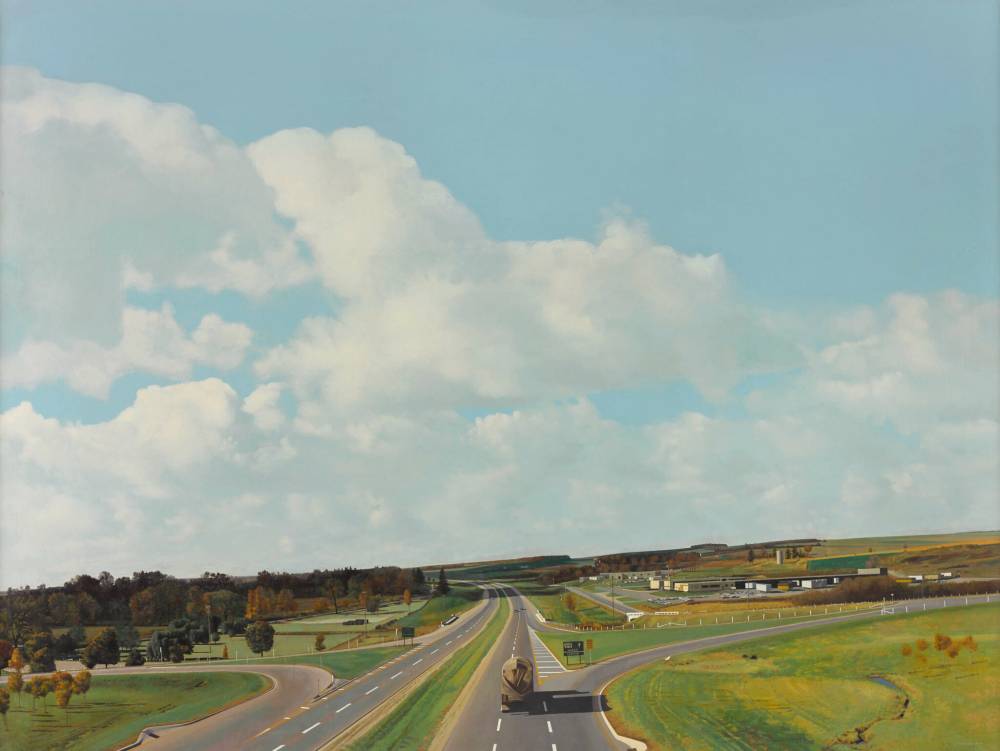
In 1967, Canadian artist Jack Chambers looked at southern Ontario's 401 highway and saw it as a vessel of time.
While driving on the highway, Chambers’ interest was piqued by the scene in his rearview mirror. Behind him lay the glorious modern highway, carved gently into the sloping terrain.
In the painting 401 Towards London (1968-69), the grass is pool table green; the leaves are turning; the slow movement of geological change visible on the tilting horizon. The drivers themselves are stuck in a cycle of comings and goings. Here was the moment “where reality is so imminent that one feels he has stepped off the conveyor belt of time.”1
In a moment where everything in our daily lives feels commodified, the one thing that remains transcendental is our relationship to time. When everything can be bought and sold, ironically, the meditative motion or creeping slowness of car travel offers rare moments of reflection.
Time spent stuck in gridlock disrupts our hyper-commodified, hyper-accelerated world. Traffic can jam us into the present, and make us aware of the granular passage of time. Yet, the illusion of the highway is the illusion of convenience.
Tuesday, May 26, 2026
|
Magdalyn Asimakis
Nour Bishouty is an artist based in Toronto who works across sculpture, the moving image, works on paper, and writing. Having encountered her work at various exhibitions and screenings in Toronto including at Cooper Cole, GTA21 at the Museum of Contemporary Art Toronto, and Toronto Palestine Film Festival, and having had the fortune of discussing Nour’s work with her over the years, we decided to extend our dialogue. The following conversation was conducted during her latest solo exhibition at the Museo Universitario del Chopo in Mexico City entitled Madre Improbable (Unlikely Mother).
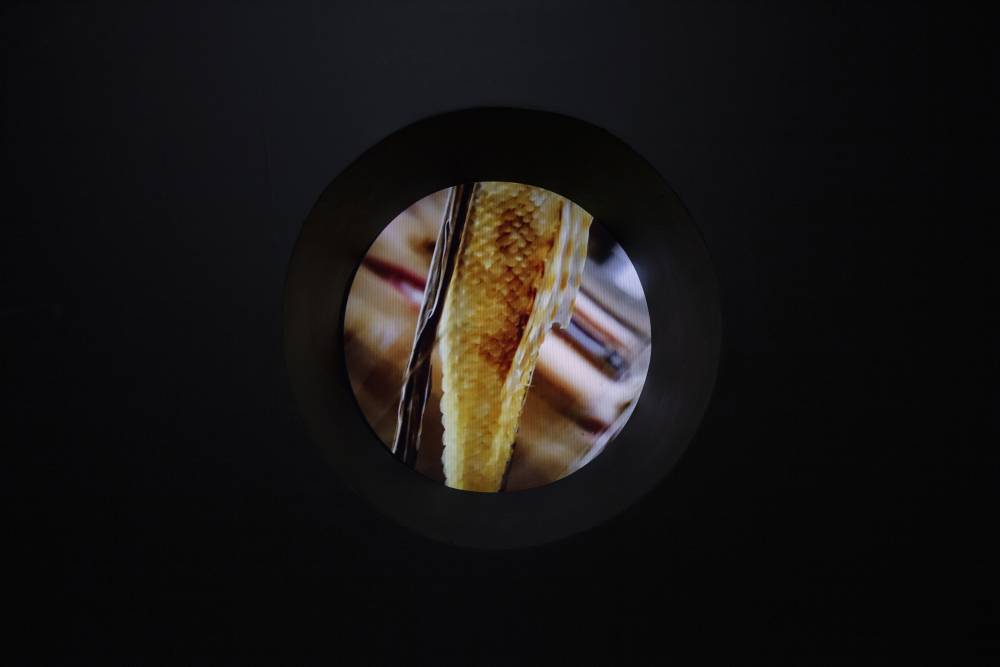
Unlikely Mother centres around two new films: Catfish Mother Puddle of Juice (2026) and Untitled / Loop (2026). The former moves between scientific language, familial narrative, and animal allegory, to consider how bodies become legible through systems of naming, classification, and description.
Monday, May 18, 2026
|
Alana Friend Lettner and M. Leander Kalil
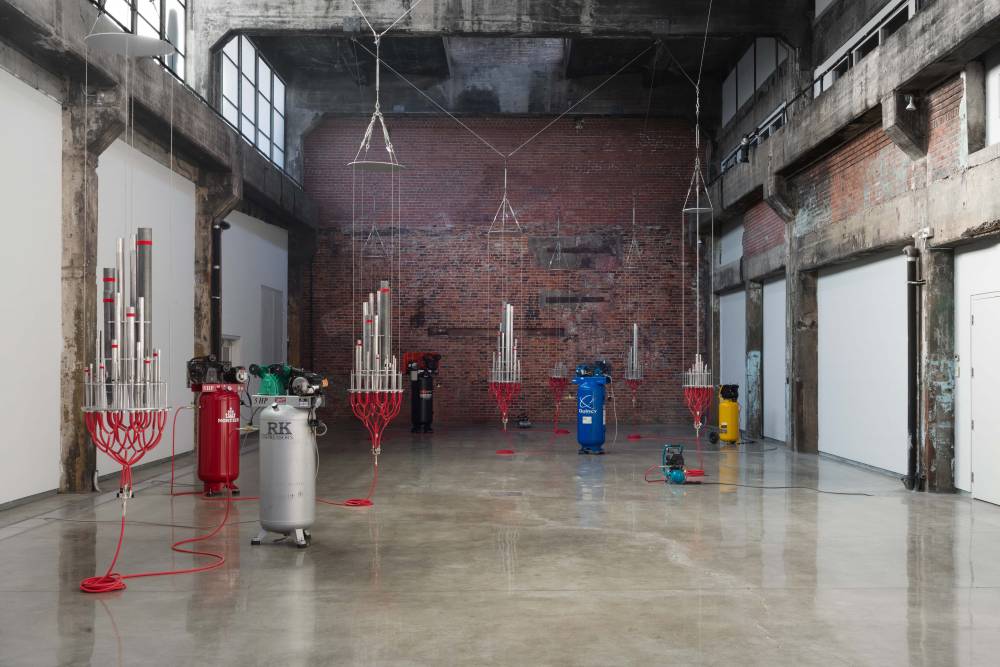
In April of last year we—Alana Friend Lettner and M. Leander Kalil—encountered Maggy Hamel-Metsos’ installation Simile Aria at Fonderie Darling in Tiohtià:ke (Montreal). We knew very little about Hamel-Metsos; we did not yet know of her predilection for conceptual interrogations via sculptural means, nor of her various obsessions with opera divas, the Ukrainian-born Brazilian novelist Clarice Lispector, and bullfights. We knew only that she had a residency at Fonderie Darling, that she had exhibited internationally, and that we had to see Simile Aria before it was taken down, according to urgent encouragements from several of our friends.
Simile Aria featured a single repurposed church organ suspended from the ceiling of the immense room in seven isolated clusters, each of which was attached to an air compressor set on a timer. One by one, and over the course of nearly an hour, the clusters sang their disparate and highly dissonant chords. After bursting forth, each chord was surrounded by a silence that was so generous, so palpable as to seem as much a material component of the installation—as much as the organ pipes themselves.